Substack TV App Launch: Why Many Writers Are Unhappy
bigsansar | Jan. 23, 2026
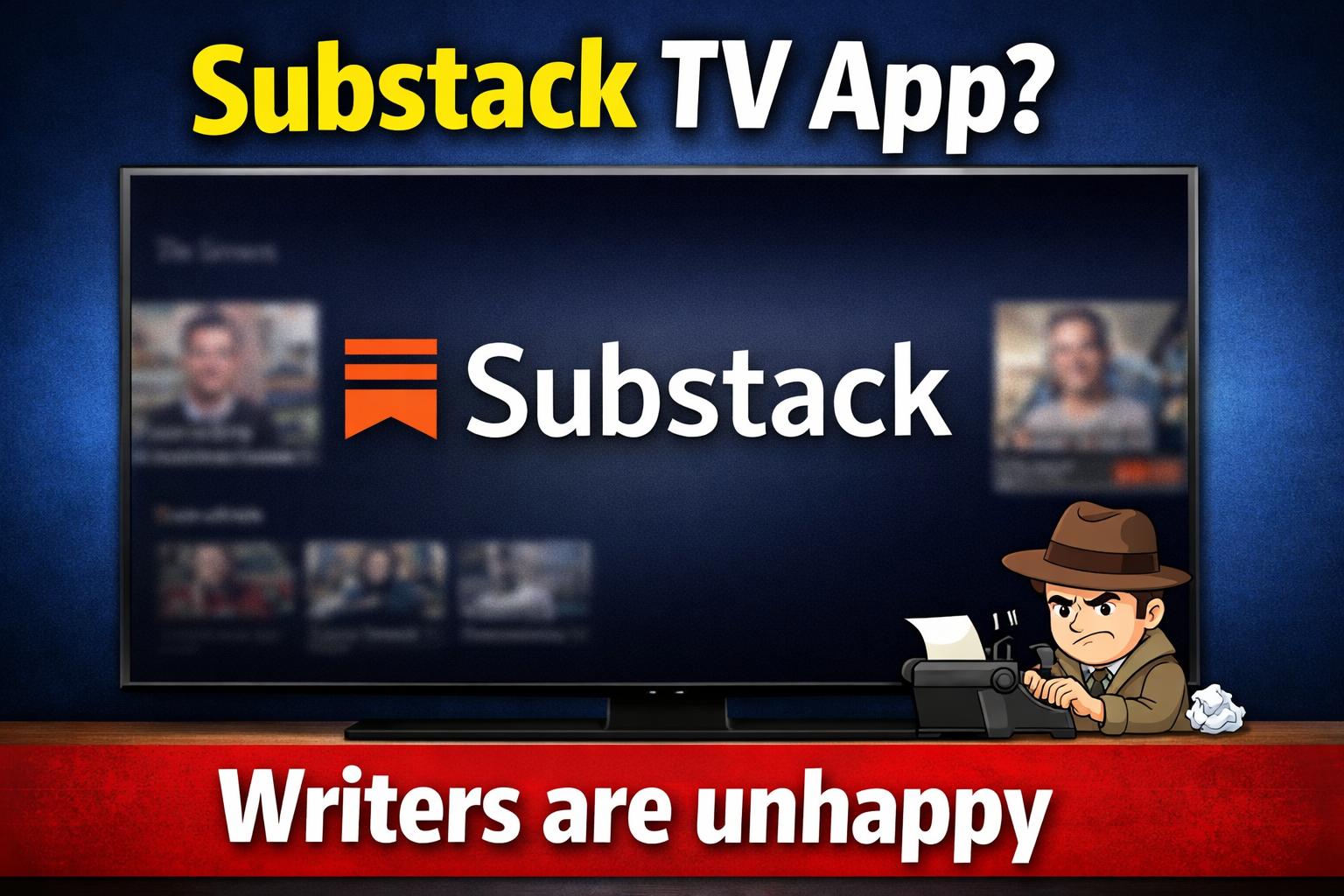
In today’s digital world, TV is no longer just a source of entertainment. It has become a major platform for information, ideas, and content distribution. So when Substack, a platform originally known for newsletters and independent writing, announces a TV app, it sparks a debate not only in tech circles but also in the future of journalism and media.
Substack was built around the idea of empowering writers to publish directly to readers through newsletters. Its identity has always been writer-focused. However, the recent move to launch a TV app suggests a major shift in direction. Now, creators will be able to share their content on smart TV screens, which changes how Substack content is consumed.
What is the Substack TV app?
The Substack TV app is designed for smart TV platforms like Apple TV and Google TV. It allows users to watch video posts, livestreams, and other visual content created by Substack writers and creators. This step expands Substack beyond text-based newsletters and brings it into the world of video and broadcast.
The company presents this move as a way to provide extended content for creators on a larger screen. However, this is more than a simple feature update. It represents a strategic shift in how Substack positions itself in the media landscape.
Why are some people unhappy?
While the TV app opens new opportunities, it has also created controversy. The main reason is that Substack’s core identity has been built around writing. For many writers and readers, this shift feels like a move away from what made Substack special.
1. Fear of losing the writing-focused identity
Substack started as a platform for newsletters and long-form writing. But the addition of videos, livestreams, and now a TV app suggests a move toward a video-centric platform. This change has caused discomfort among writers who consider Substack a safe space for writing.
2. Concerns about quality and fact-checking
When content reaches TV screens, the question becomes: what kind of content will be promoted? Substack allows independent writers to publish freely, and not all content is equally verified. On a TV platform, this can increase the risk of misinformation spreading widely.
3. Video trend leading to distraction
Today, people spend more time on platforms like TikTok and YouTube, where short videos dominate. Substack has already added video features and short feeds, and the TV app could strengthen this trend. This may reduce the focus on writing and promote a scrolling culture.
4. Community division and echo chambers
Substack hosts writers with various ideologies and viewpoints. With a TV app, users may choose to watch only creators who match their beliefs. This could strengthen echo chambers, reducing diverse conversations and open dialogue.
What are the benefits of the TV app?
Despite criticism, the TV app also brings some clear advantages. The biggest benefit is expanded reach for creators. Many writers struggle to gain large audiences on small screens. The TV app can help bring their content into homes, increasing visibility and impact.
Additionally, Substack’s subscription model can work well on TV. Paid subscribers may access premium content on a larger screen, potentially increasing creators’ revenue.
Substack’s TV app launch is not just a new feature—it is a major step in the platform’s evolution. It allows creators to present their work on big screens, but it also raises concerns about Substack’s identity and the quality of content.
The key question remains: Can Substack maintain its writing-focused community while becoming a TV-centered platform?
Only time will reveal the answer.
0 COMMENTS:
WhatsApp Usernames Explained: Risks, Benefits & Scam Warning
Learn how WhatsApp usernames work, why they're replacing phone number sharing, their privacy benefi…
Instagram Encrypted Chats Ending in May 2026 – What Users Should Know
Instagram will remove encrypted chats starting May 8, 2026. Learn why Meta is ending Instagram encr…
TV App Whiplash: Shutdowns, Rebuilds & New Gatekeepers
Explore why TV apps shut down or get rebuilt, and how emerging gatekeepers are reshaping streaming …
X Removes Night Mode Setting: What Happened to Dark Mode Twitter?
X (formerly Twitter) has removed its in-app night mode setting. Dark Mode still exists but now foll…
5 Open Source Apps That Vanished from the Play Store
Several popular open source apps disappeared from the Play Store due to policy and API changes. Her…

Meta Bringing Voice & Video Calls to WhatsApp Web Soon – WhatsApp Web Update 2026
WhatsApp Web is rolling out voice and video calling features, allowing users to make secure calls d…

OpenAI Launches Codex App to Lead the AI Coding Race
OpenAI has launched the Codex desktop app to strengthen its position in the AI coding race, offerin…

Amazon Fire TV Blocks Sideloaded TV Apps – Safe Alternatives & Updates
Amazon Fire TV is now blocking the installation of some sideloaded TV apps. Learn why this change m…
WhatsApp May Let New Group Members See Past Chats – New Feature Tested
WhatsApp is testing a new feature that allows new group members to view recent chat history. Learn …
Substack TV App Launch: Why Many Writers Are Unhappy
Substack is launching a TV app for Apple TV and Google TV. Discover why some writers are unhappy an…