Gmail Password Leak 2025: What Really Happened & How to Stay Safe
bigsansar | Oct. 29, 2025
In today’s digital world, our daily lives depend heavily on online platforms. Email has become the foundation of personal, work, and educational communication. Recently, a story shocked the internet: “Gmail passwords exposed in a massive data leak.” The headline caused panic worldwide, making users wonder if their Gmail accounts were truly safe. But how true is this claim? Was Gmail actually hacked, or is this another case of false information?
In October 2025, cybersecurity researchers reported that a huge database containing about 183 million email and password records appeared online. Many of these leaked credentials were linked to Gmail addresses. While some news outlets called it a “Gmail data breach,” the situation was more complex.
Experts explained that Gmail’s servers were not hacked directly. The leaked data came from old breaches, malware infections (known as infostealers), and phishing attacks. This was not a breach of Google’s infrastructure but a leak of users’ credentials from other compromised sources.
Google responded quickly, stating: “There has been no breach of Gmail systems. Our servers remain secure.” The company said many media outlets misunderstood the nature of the incident. Although the leaked data included Gmail addresses, it didn’t mean Gmail had been hacked.
Google also acknowledged the seriousness of such leaks. When large credential dumps appear online, the company reviews potentially affected accounts and advises users to reset their passwords. This highlights an important point — while the platform itself might be secure, individual user habits often become the weakest link in cybersecurity.
This incident is a crucial reminder for everyone to examine their digital habits. Many users reuse the same password across various sites. When one site is compromised, attackers can use the same password to access other accounts — a tactic called credential stuffing.
To stay secure, users should improve their digital hygiene. Passwords should be strong, unique, and changed regularly. Enabling Two-Factor Authentication (2FA) adds an extra layer of protection. It’s also smart to use a password manager to keep multiple credentials safe and to review third-party app permissions often. Additionally, users can check if their email addresses are part of any known breaches using trusted websites like Have I Been Pwned.
This event underscores a broader truth: cybersecurity risks impact everyone, not just large companies. Our email accounts often hold sensitive info — from banking details to private messages. Even if Gmail’s systems are secure, the digital world still harbors vulnerabilities caused by user actions, phishing scams, and outdated security practices. In this way, awareness is our first line of defense.
The “Gmail passwords exposed” story may not indicate a new Gmail breach, but it’s a strong reminder. Digital safety is a shared responsibility between service providers and users. Google can protect its servers, but can’t shield users from weak passwords, careless browsing, or phishing tricks.
In a time when our identities, finances, and communications are stored online, awareness and proactive steps are our best defenses. Changing passwords often, enabling 2FA, and being alert to suspicious activity can help protect what matters most — our privacy.
0 COMMENTS:

Google Play Store Could Soon Get Individual Collection Widgets
Google Play Store is reportedly working on individual widgets for Collections, allowing Android use…

Google Pixel 10 Pro and Pixel 10a Discounts Make Premium Android More Affordable
Google Pixel 10 Pro and Pixel 10a discounts are making premium Android smartphones more affordable.…

Exclusive: Google Pixel 11 Pro Fold CAD Renders Leak – First Look at Google’s Next Foldable
Leaked CAD renders reveal the first look at the Google Pixel 11 Pro Fold. Discover its refined desi…

Google I/O 2026: Dates, AI Updates & Developer Announcements
Discover Google I/O 2026 on May 19–20: AI innovations, Android updates, and developer tools. Live a…
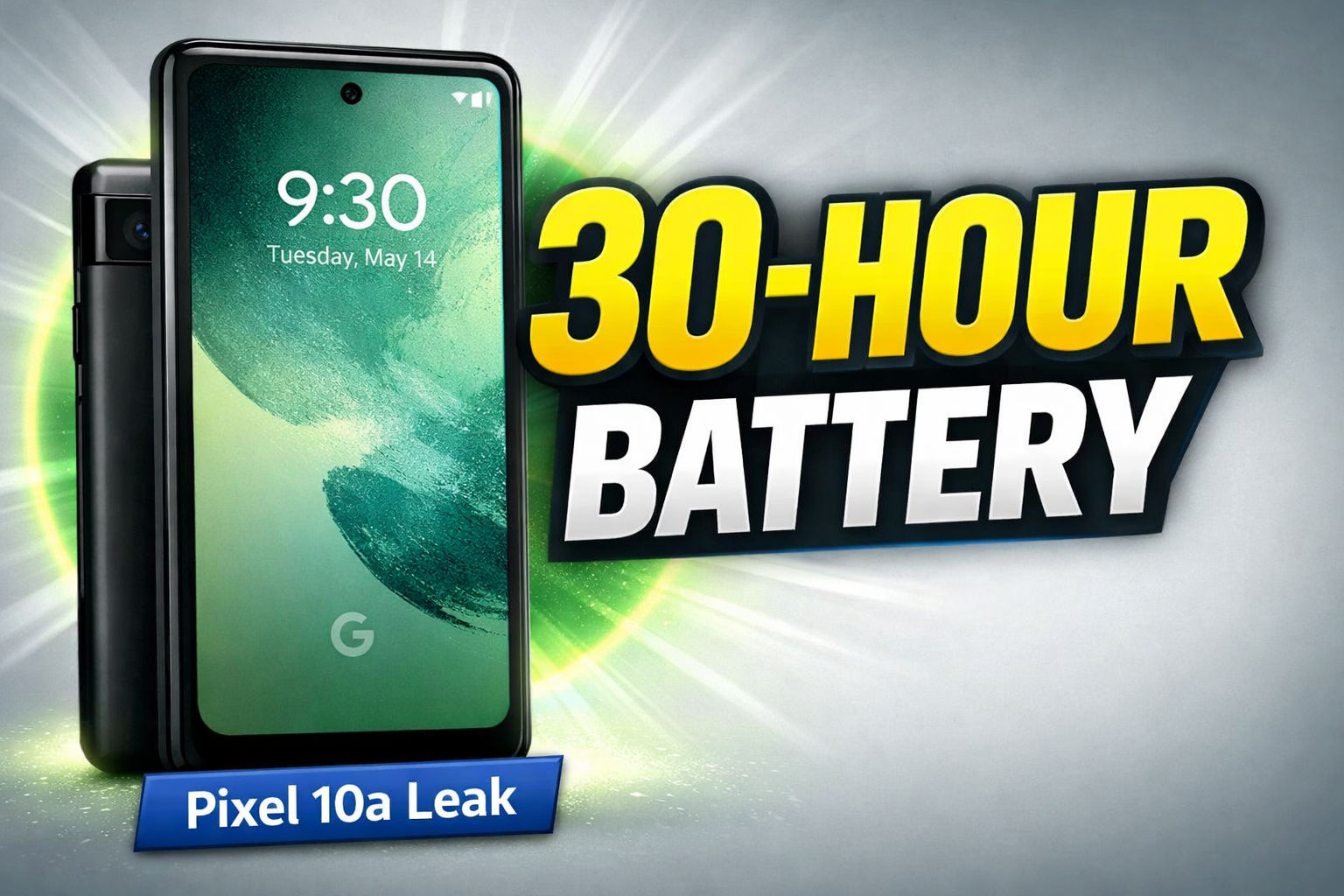
Pixel 10a Leak: 30-Hour Battery, Camera Coach & New Colors Revealed
A leaked Pixel 10a ad claims up to 30-hour battery life, introduces Camera Coach, and reveals new c…
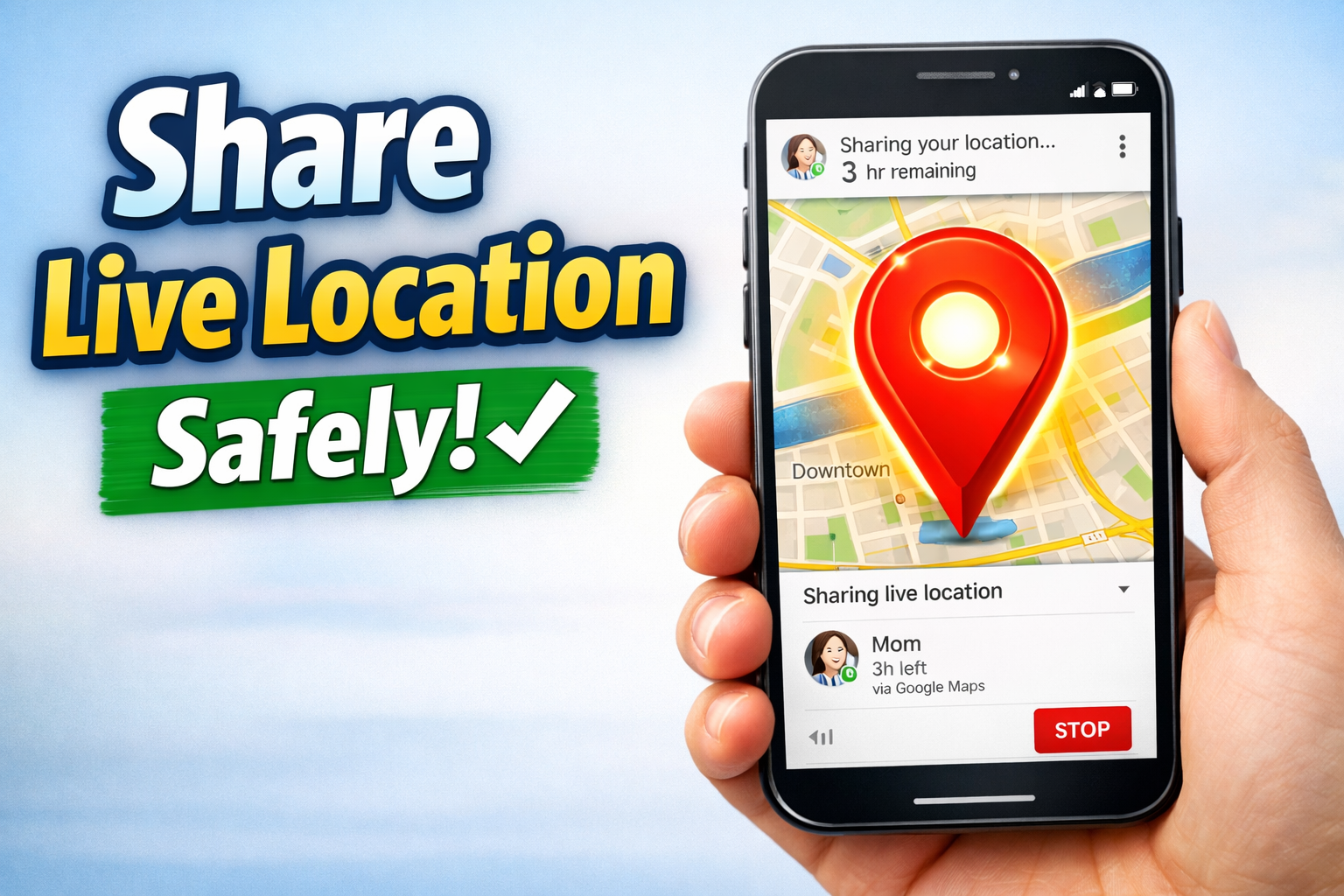
How to Share Live Location Safely on Google Maps (Step-by-Step)
Learn how to share your live location safely using Google Maps. Step-by-step guide for Android and …

Google Crosses $400B Revenue | Cloud AI Driving Growth
Google hits $402B annual revenue for the first time. Discover how Cloud AI and Gemini AI are drivin…
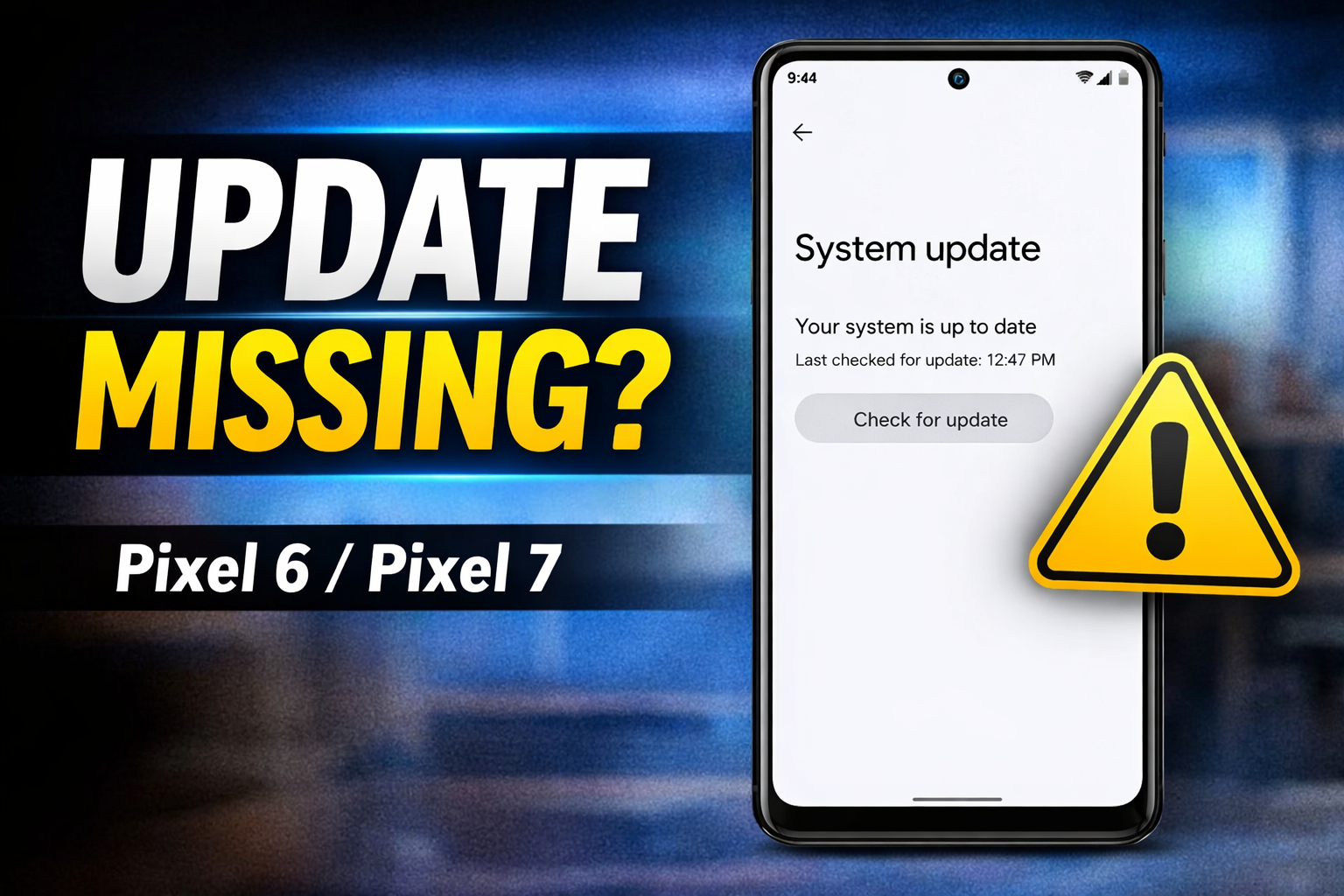
Pixel 6 & Pixel 7 Update Missing? Here’s What’s Happening (2026)
Pixel 6 and Pixel 7 users are reporting missing Google Pixel updates. Learn why updates may be dela…

Google Gemini Tools Update: Explore New Experimental Features
Discover Google’s Gemini AI update! Labs section highlights experimental tools, letting users test …
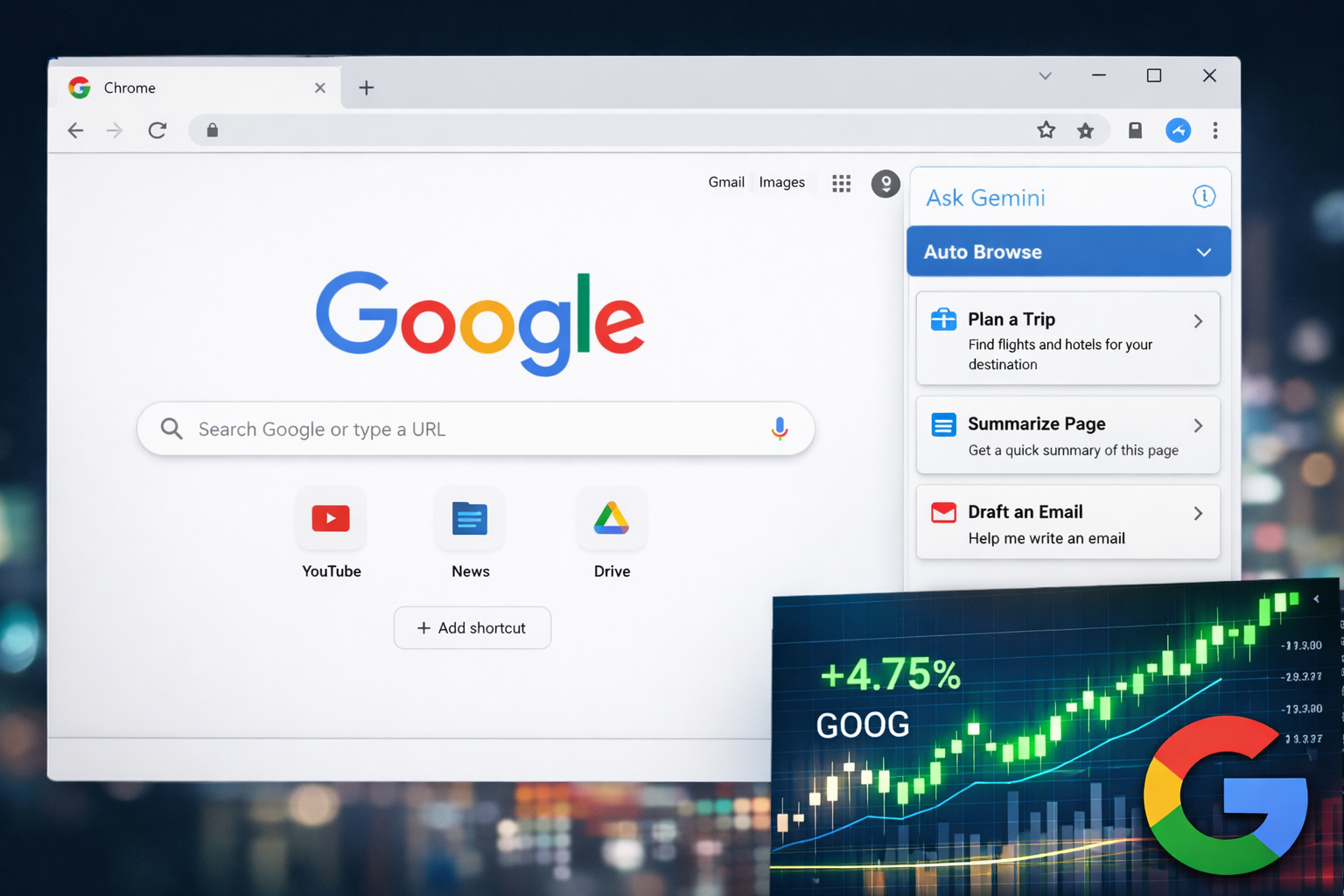
Alphabet (GOOG) Stock Rises as Google Launches AI-Powered Chrome Features
Google Chrome adds AI tools like Auto Browse and Side Panel, boosting productivity and driving Alph…