Microsoft’s New Update Orchestrator Platform in Windows 11 Explained
bmw | Dec. 6, 2025
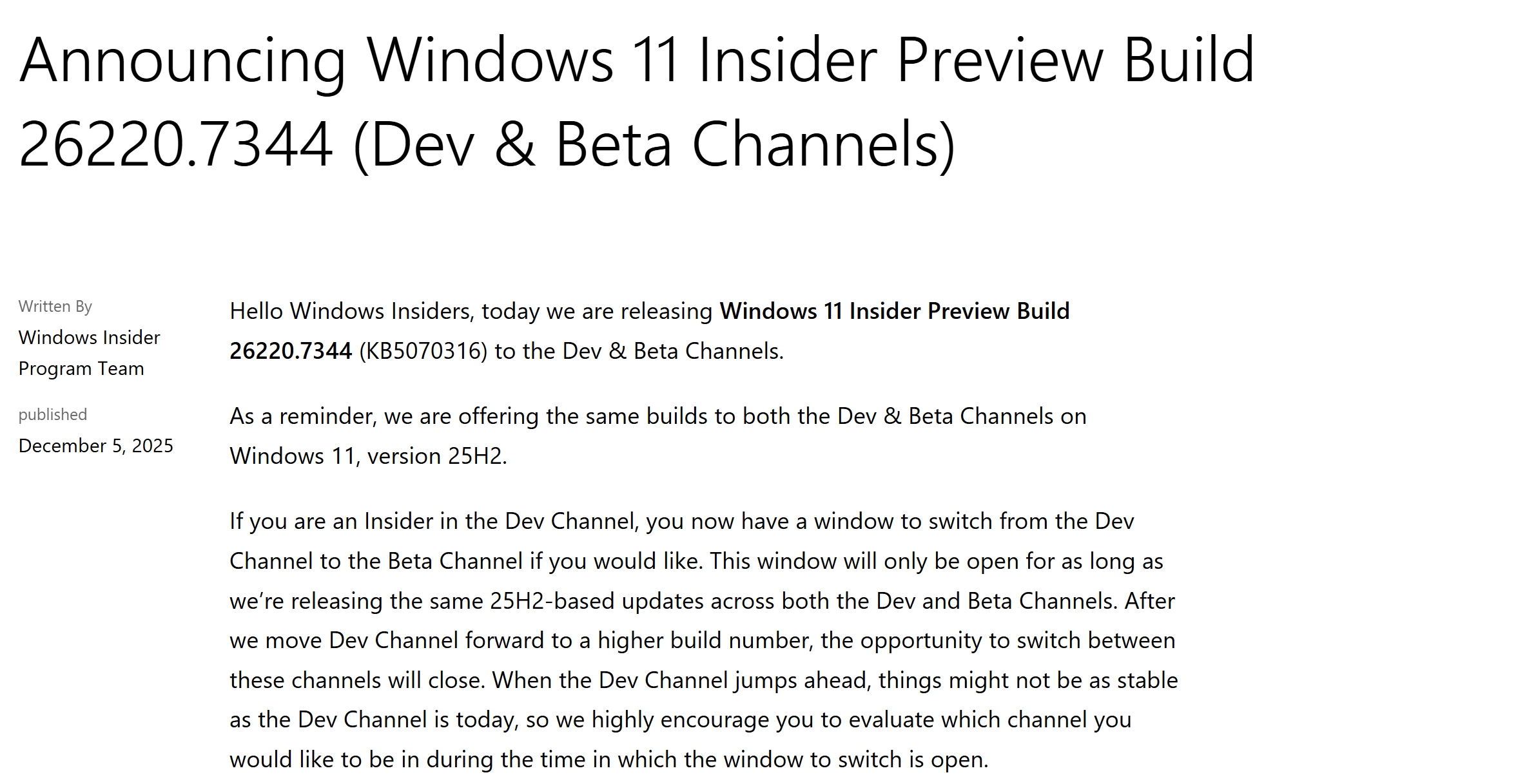
Microsoft has continuously refined Windows 11 since its release, but one of its most ambitious changes has appeared only recently with the introduction of the Update Orchestrator Platform, commonly referred to as UOP. This new system aims to rethink how applications update themselves inside Windows, addressing long-standing complaints related to interruptions, scattered update experiences, and inconsistent update tools used by different software.
Historically, Windows users have dealt with a fragmented update environment. System updates arrived through Windows Update, Store apps updated themselves through the Microsoft Store, and many third-party applications relied on their own separate updaters. This mixture often resulted in unexpected pop-ups, sudden requests for restarts, background processes that slowed down the system, and updates that interrupted ongoing work. Recognizing these issues, Microsoft envisioned a unified approach that could manage updates more intelligently and more quietly, creating a smoother and more predictable user experience.
The Update Orchestrator Platform is the foundation of that vision. Instead of allowing each application to schedule and install updates independently, UOP will let the operating system coordinate these processes. Applications will still download their update data from their respective servers, but the scheduling, initiation, and installation of those updates will occur under the supervision of Windows itself. The intention is to make updates less noticeable, reducing interruptions and ensuring that user activities are not disrupted by background maintenance tasks.
This new platform is currently available only in Windows 11 Insider Preview builds, making it a feature still in its early developmental stage. A new “App Updates” page has been added to the Windows Settings app, although its functionality is limited for now. Microsoft has openly stated that no existing applications actually use UOP yet, meaning that the real impact of this change will only begin once developers adopt the system and update their apps to support it. Even so, its presence in preview builds signals Microsoft’s commitment to modernizing the update ecosystem in a significant way.
For enterprise environments, this development could be especially meaningful. IT administrators often face the challenge of managing updates for a wide range of applications, each with its own mechanisms and behaviors. By consolidating update management, UOP promises to make maintenance more predictable, more secure, and easier to oversee from a central position. In the long term, this could reduce security vulnerabilities, streamline update cycles, and lower administrative overhead.
Everyday users also stand to gain from this shift. Most interruptions that frustrate users—apps closing unexpectedly, long installation times, pop-ups requesting permission or restarts—stem from the current fragmented approach. Microsoft’s goal with UOP is to make updates almost invisible, allowing them to happen quietly in the background without pulling attention away from important tasks. If successful, Windows could offer an update experience closer to modern mobile operating systems, where maintenance is mostly silent and rarely interferes with regular use.
Although UOP is still in its experimental stage, it represents a forward-looking step for Windows 11. The platform lays the groundwork for a future where updates are consistent, centralized, and unobtrusive. While most users will not notice immediate changes, the long-term impact could redefine how Windows manages software reliability and security. If developers adopt it widely and Microsoft continues refining the platform, UOP may eventually eliminate many of the frustrations that users have endured for years.
In this way, the Update Orchestrator Platform is not just another addition to Windows 11. It is a shift in philosophy—an effort to make operating system maintenance more human-friendly, more efficient, and more modern. As the feature matures, it has the potential to transform the entire update experience into one that is quieter, smarter, and far more integrated than anything Windows has offered before.
0 COMMENTS:
Microsoft Windows 11 Emergency Update: Major Issues Fixed for Users
Microsoft has released an emergency update for Windows 11 to fix major issues including crashes, pe…

Microsoft Unifies Copilot Team | Satya Nadella’s ‘My Apps’ AI Vision
Microsoft is consolidating Copilot under one team to create seamless AI-powered experiences. Explor…
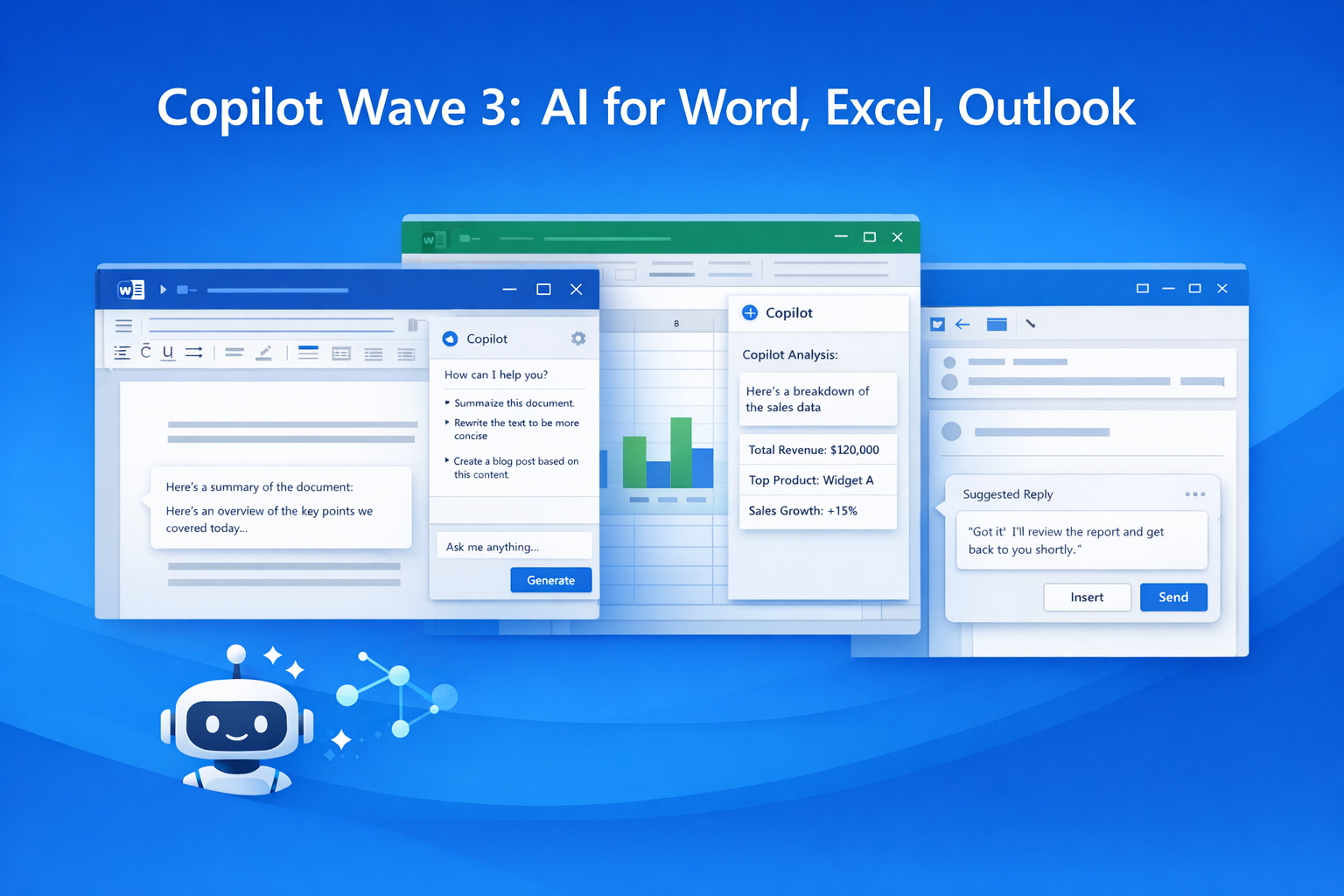
Microsoft 365 Copilot Wave 3: New AI Features for Word & Excel
Discover Microsoft 365 Copilot Wave 3 with agentic AI for Word, Excel, and Outlook. Automate tasks,…
Microsoft Confirms Project Helix: Next-Gen Xbox Details
Microsoft confirms Project Helix, the next-generation Xbox console. Here’s what we know about featu…
Create Windows 10 Bootable USB in Ubuntu (No WoeUSB)
Learn how to create a Windows 10 bootable USB in Ubuntu without WoeUSB. Step-by-step guide using NT…

Manual Install WSL on Older Windows (WSL 2 Step-by-Step Guide)
Learn how to install WSL manually on older Windows versions. Step-by-step guide to enable WSL, inst…
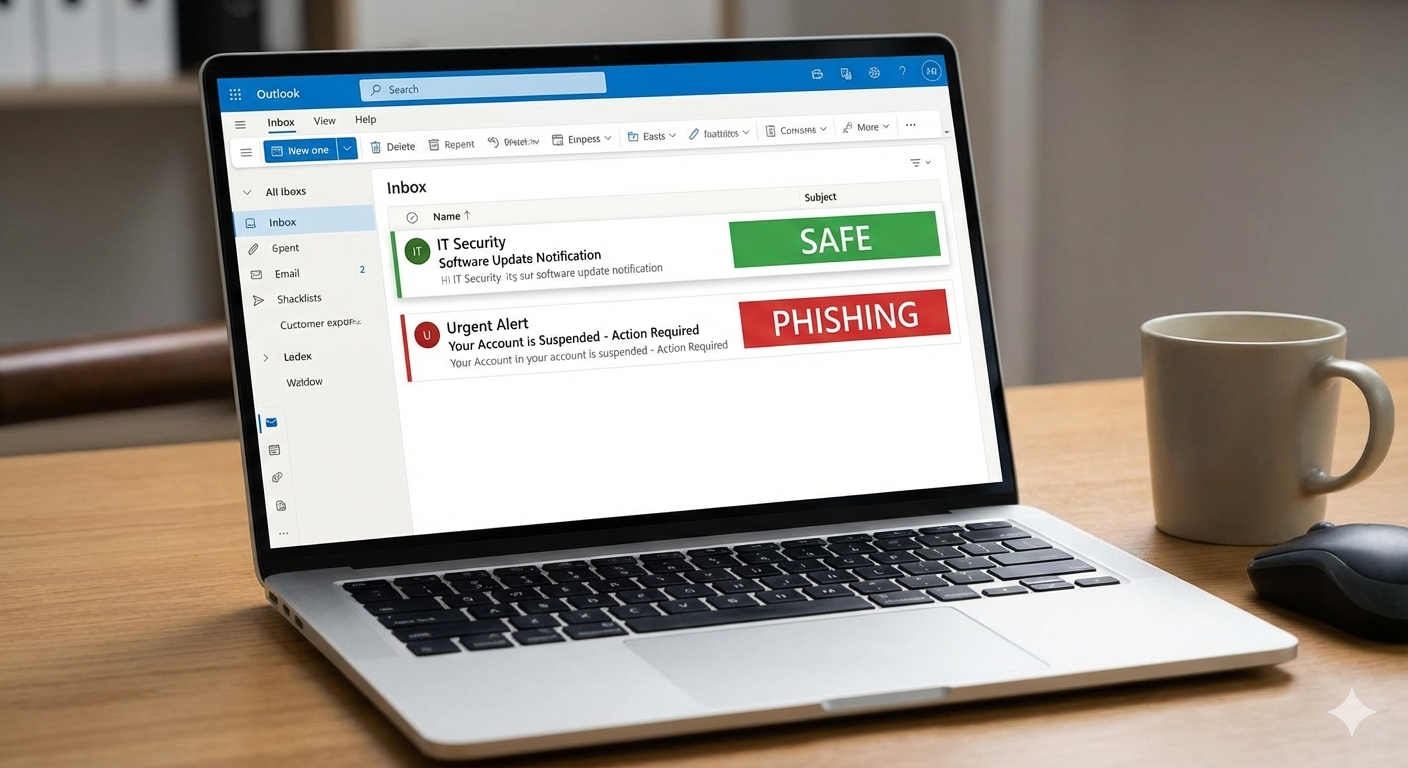
Microsoft Exchange Online Bug: Legit Emails Marked as Phishing Explained
Microsoft Exchange Online recently flagged legitimate emails as phishing, causing false positives a…
Microsoft Windows 11 Emergency Update Fixes Outlook Crash Bug
Microsoft has released a second emergency Windows 11 update to fix a critical Outlook crash bug cau…
Microsoft 365 Down for Thousands of Users | Downdetector Report
Microsoft 365 faced a major outage on January 22, 2026, affecting thousands of users worldwide. Dow…
Microsoft Windows 11 Emergency Update 2026: Shutdown Bug Explained
Microsoft’s first Windows 11 update of 2026 caused shutdown and hibernate failures on some PCs. Lea…