HyperOS 3 India: Features, Release Date & AI Upgrades Explained
bmw | Nov. 20, 2025
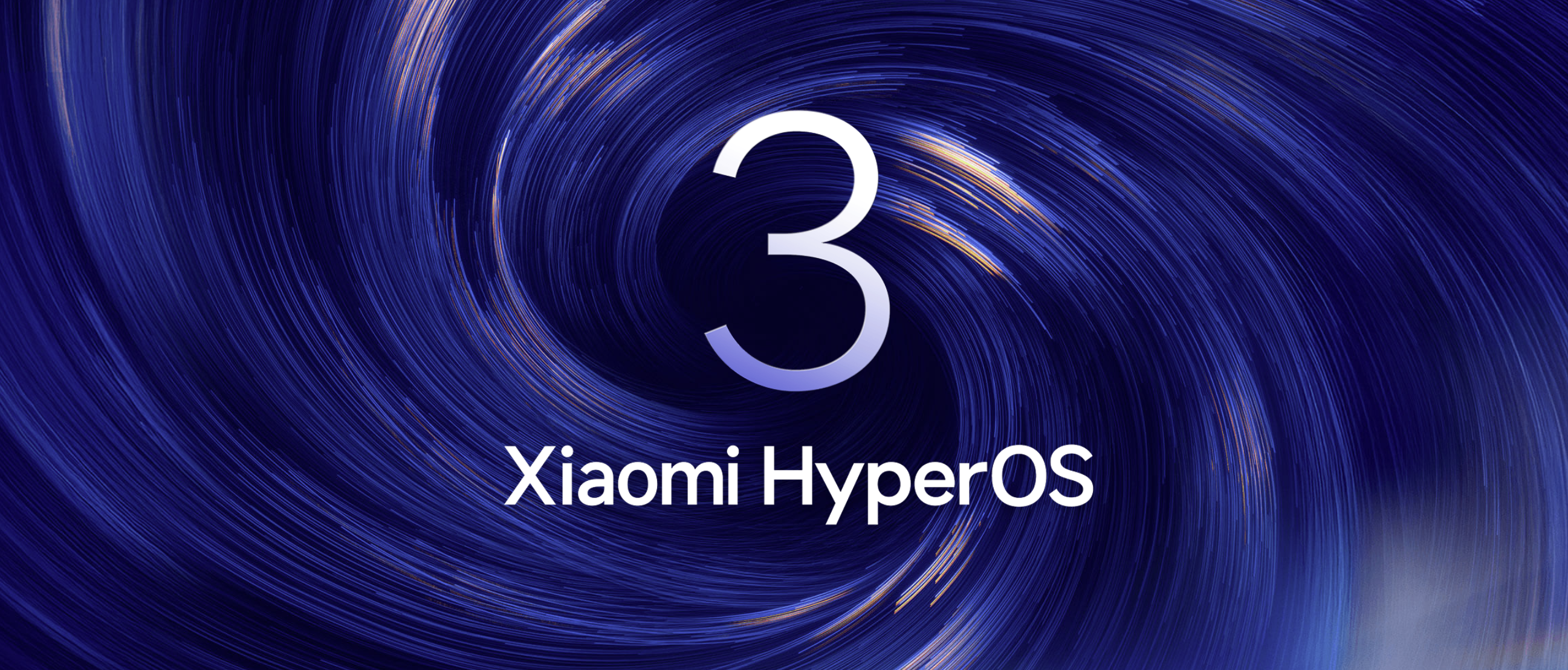
In the rapidly progressing world of mobile technology, companies are focusing not only on hardware but also on the software experience that shapes daily interaction. Xiaomi’s HyperOS 3 stands as a major milestone in this direction, especially for the Indian market, where Redmi, Poco, and Xiaomi devices dominate. HyperOS 3 promises a refined interface, greater intelligence, and a smoother user experience. The question, however, remains: will it truly live up to its expectations? This essay explores the features, potential, and challenges surrounding HyperOS 3 as it enters India.
HyperOS 3 is built on Android 16 and represents Xiaomi’s vision of a cleaner, more unified, and more intelligent operating system. Unlike previous iterations, this version focuses heavily on performance, animation fluidity, and system stability. For a market like India where users rely heavily on long-term updates, consistent performance, and AI-driven features, HyperOS 3 positions Xiaomi strongly against its competitors.
One of the most talked-about features is HyperIsland, Xiaomi’s version of a dynamic notification and activity display that resembles Apple’s Dynamic Island. It allows users to see real-time information such as music controls, call status, charging progress, and other live activities directly on the home interface. With simple gestures, users can expand it into a floating window, making multitasking far more convenient without leaving their current app. Its usefulness goes beyond aesthetics, offering a practical way to manage tasks seamlessly.
Artificial intelligence is another core pillar of HyperOS 3. The HyperAI suite enhances writing tools, enabling users to adjust tone, expand ideas, or condense long messages with ease. It also introduces improved speech recognition capable of converting voice recordings into text and summarizing them. AI Search allows users to search within the system more intelligently, pulling up files, settings, or answers based on natural queries. The gallery can automatically categorize photos based on objects or scenes, and new AI wallpapers and cinematic lock screens turn ordinary pictures into dynamic, visually rich displays. These features collectively create a more intuitive and personalized smartphone experience.
The interface itself has undergone a visual transformation. Xiaomi claims to have improved over a hundred system animations, making them smoother and more consistent across the OS. New icons, redesigned widgets, and a refreshed home layout bring a sense of liveliness and modernity that earlier versions lacked. For users who appreciate aesthetics along with functionality, this update feels like a significant step.
HyperOS 3 also strengthens device ecosystem integration. With HyperConnect, Xiaomi devices such as tablets, smartwatches, and other smart home gadgets can work together effortlessly. Features like “Touch to Share” make transferring photos, passwords, or files between devices nearly instantaneous. Real-time call translation through AI Translate adds another layer of practicality for students, professionals, and multilingual users.
The rollout of HyperOS 3 began globally in October 2025. In its first phase, devices such as the Xiaomi 15 series, MIX Flip, Poco F7, and Redmi Note 14 series are included, along with tablets like the Pad 7. The second and third phases will extend through early 2026, eventually reaching a wider range of models. However, not all devices will receive the update. Some older or lower-memory models may miss out on specific features or be excluded entirely, raising concerns among long-term Xiaomi users.
This update brings enormous potential but also notable challenges. On the positive side, HyperOS 3 pushes user experience forward with smarter tools, improved animations, and stronger cross-device integration. It positions Xiaomi as a brand that cares about software innovation, not just hardware upgrades. For new-generation users, this could be transformative.
However, the challenges cannot be ignored. Many older devices may not fully support the new animations and AI-powered features. Some users already feel that certain AI functions were present earlier but hidden, raising questions about Xiaomi’s software strategy. The slow rollout schedule might leave many users waiting until late 2025 or early 2026. And as with any AI-centered system, privacy and data handling remain pressing concerns.
In conclusion, HyperOS 3 is more than a simple software update for India—it symbolizes Xiaomi’s strategic shift toward a smarter and more connected future. Its AI capabilities, new interface, and ecosystem integration have the potential to redefine the user experience. Yet its success will depend on how well Xiaomi balances innovation with inclusivity, ensuring that a wide range of users—not just those with the latest devices—can enjoy its benefits. If executed well, HyperOS 3 could usher in a new era where smartphones act not just as tools, but as intelligent companions woven into everyday life.
0 COMMENTS:
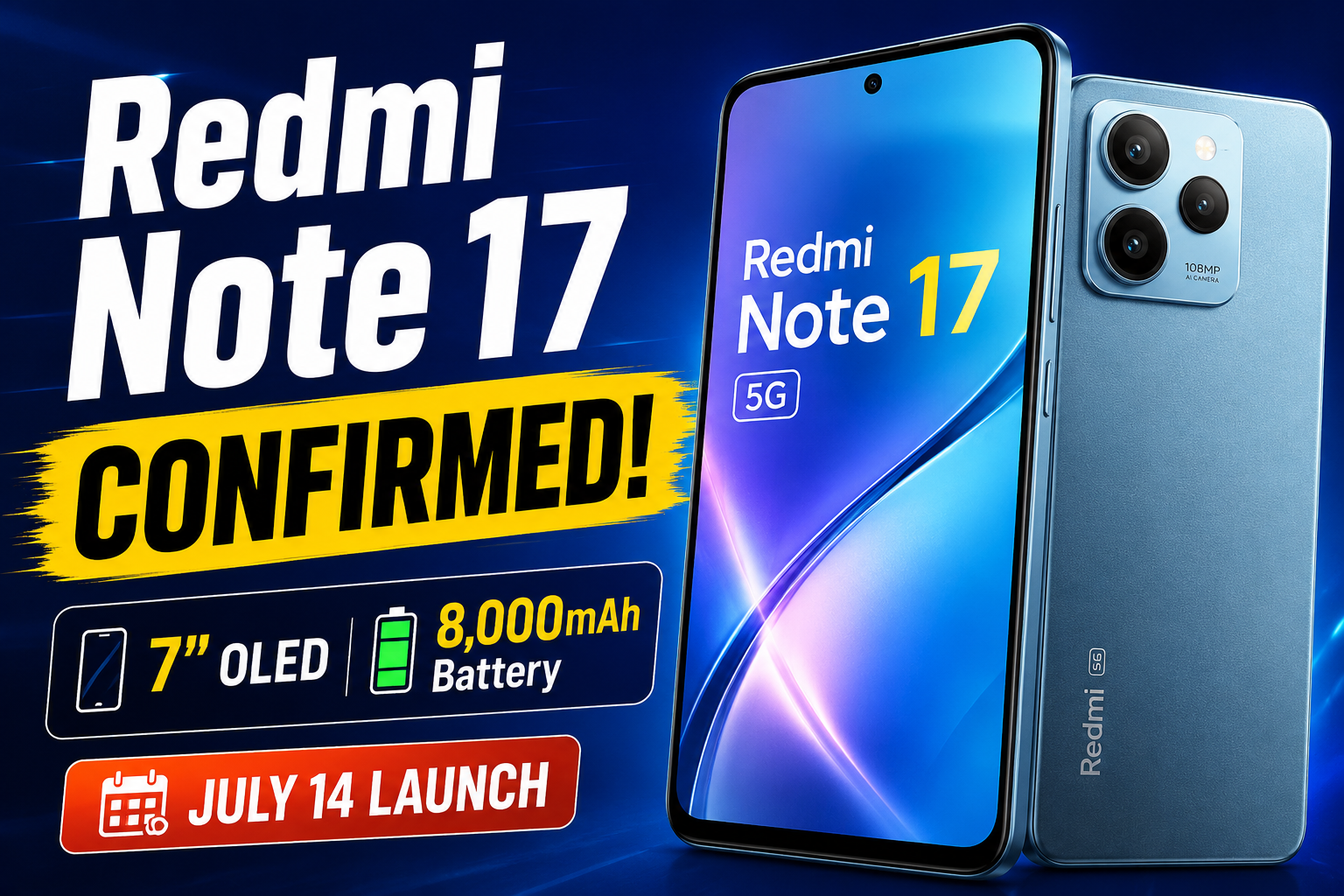
Xiaomi Redmi Note 17 Pro: 7-inch OLED, 8,000mAh Battery
Xiaomi has confirmed the Redmi Note 17 with a 7-inch OLED display, 8,000mAh battery, 120Hz refresh …
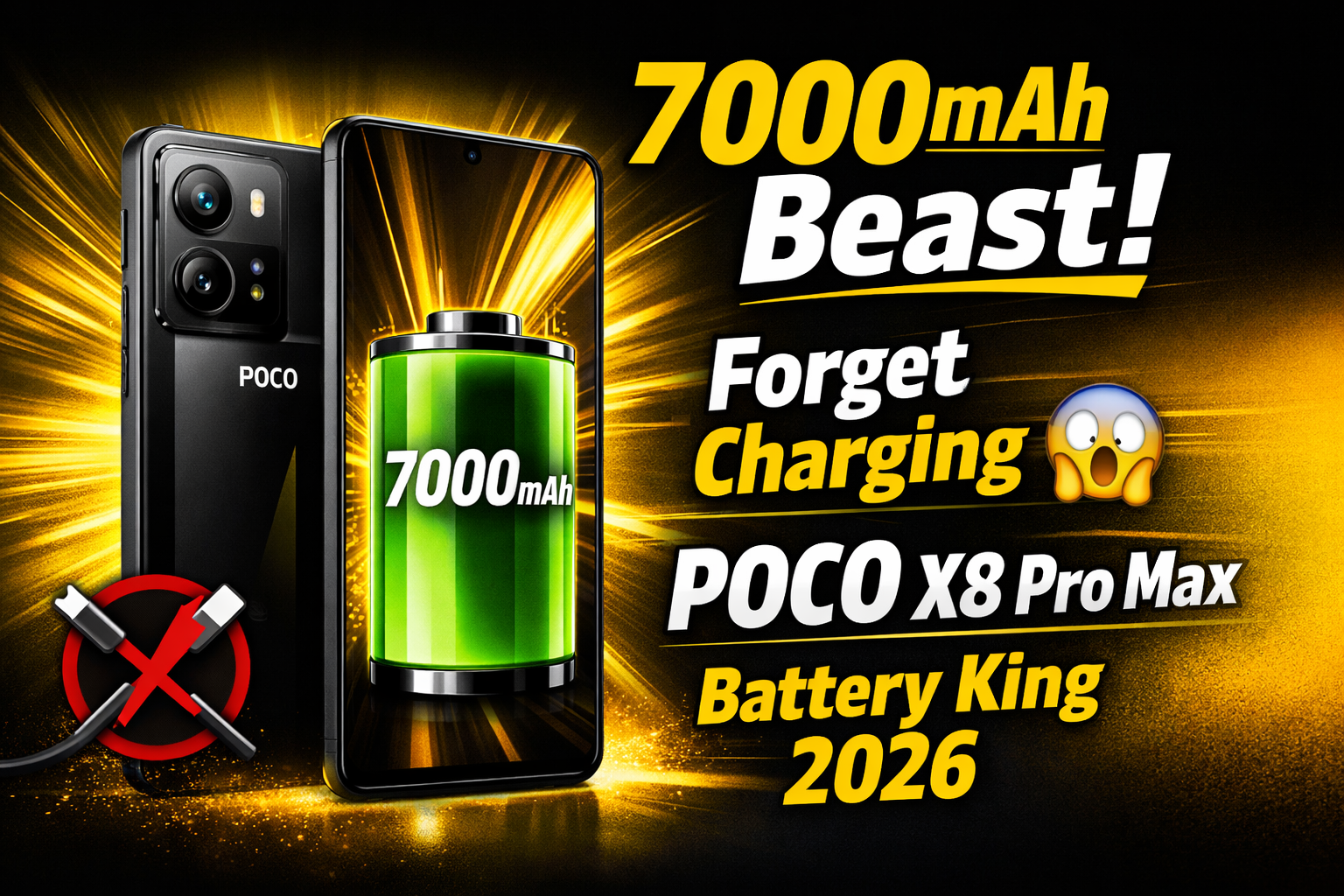
POCO X8 Pro Max: Huge Battery, Powerful Performance & Full Rumors Explained (2026)
Discover everything about POCO X8 Pro Max, including rumored 7000mAh battery, powerful performance,…

Xiaomi 17 Ultra Camera Review: LOFIC Sensor & Mechanical Zoom
Explore the Xiaomi 17 Ultra’s camera with LOFIC HDR sensor, mechanical zoom, ultra-wide and front c…
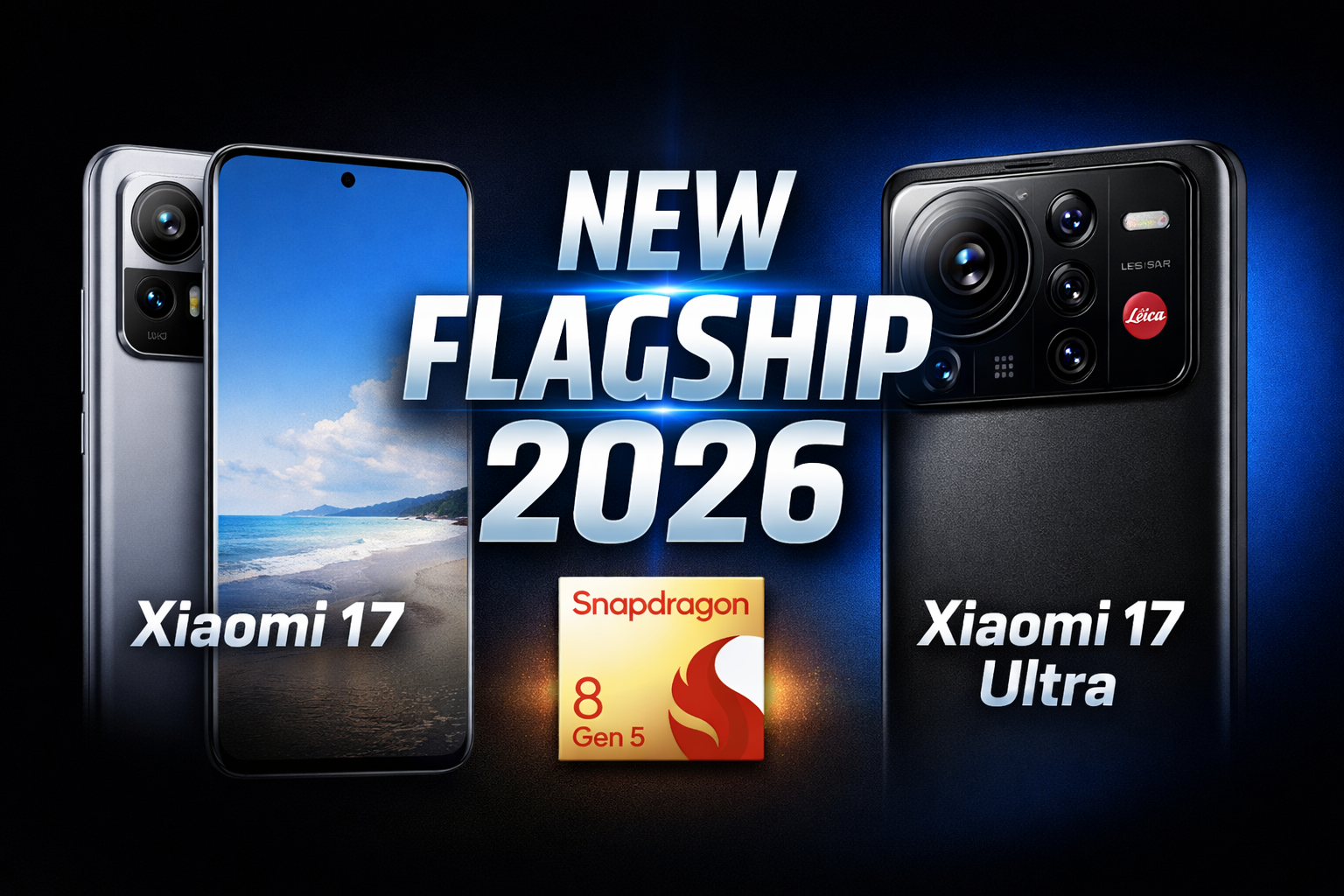
Xiaomi 17 Ultra & Xiaomi 17 Launched with Snapdragon 8 Gen 5 and Leica Cameras
Xiaomi has launched the Xiaomi 17 and Xiaomi 17 Ultra featuring Snapdragon 8 Gen 5, Leica-tuned cam…
Xiaomi HyperOS 4.0 (Android 17) – Eligible Devices List
Discover the full list of Xiaomi, Redmi, and POCO devices eligible for HyperOS 4.0 (Android 17). Ch…
Xiaomi HyperOS 3.1 Introduces Super OTA for Faster Updates
Xiaomi HyperOS 3.1 introduces Super OTA to make software updates faster, smoother, and easier to in…
Xiaomi 17 Pro Max Global Variants, Specs & Launch | New Colourway Leaks
Discover the Xiaomi 17 Pro Max global variants with new colour options. Get leaked specifications, …
Xiaomi 17 & 17 Ultra Launch India & Global 2026 | MWC Pre-Launch Updates
Discover the latest Xiaomi 17 and Xiaomi 17 Ultra launch updates for India and global markets ahead…
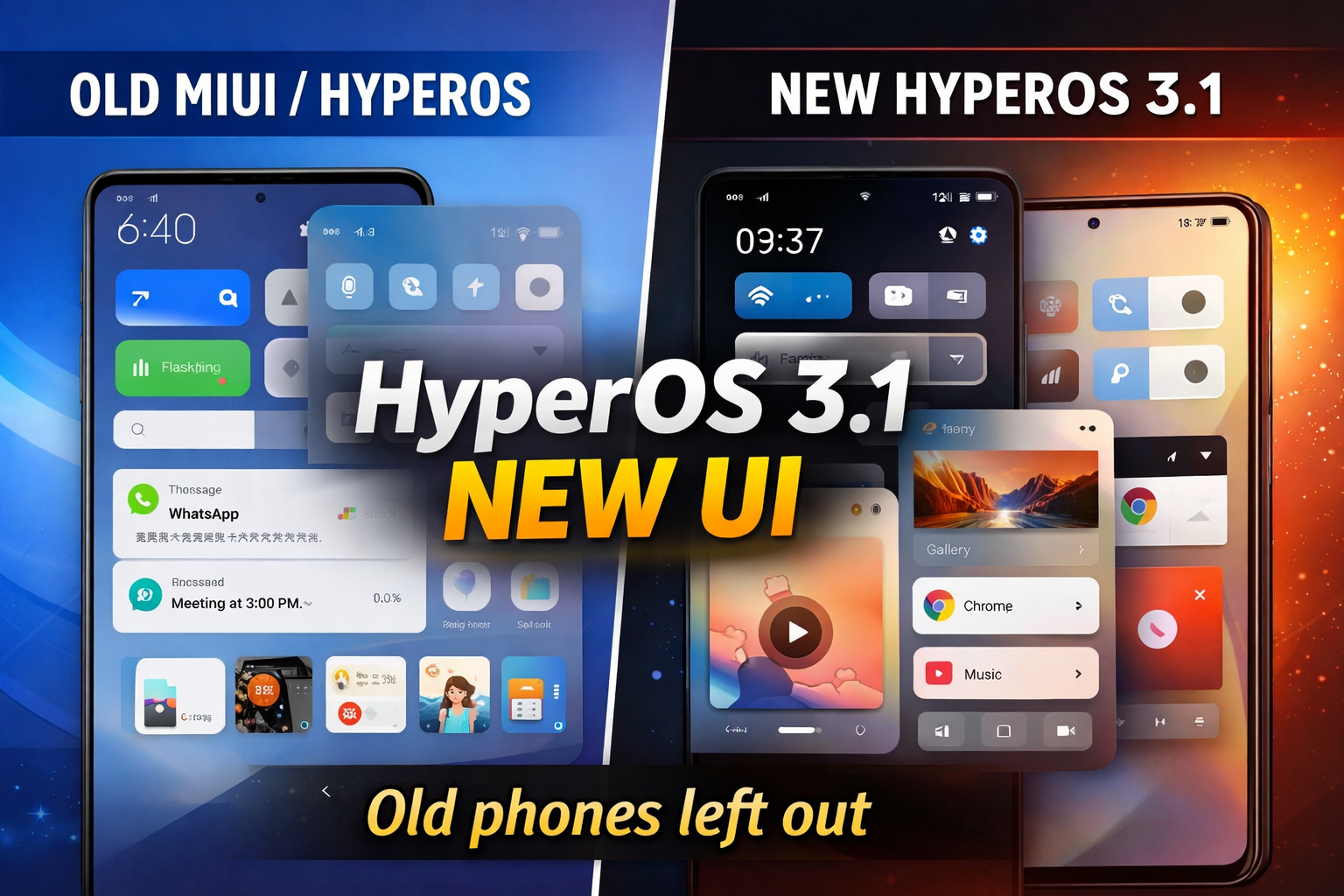
Xiaomi HyperOS 3.1 New Features: UI Upgrades & Support End for Older Phones
Xiaomi HyperOS 3.1 brings major UI upgrades, smoother multitasking, and better performance. But the…
Xiaomi Redmi Note 15 Pro 5G Set for a Powerful Global Debut
Xiaomi Redmi Note 15 Pro 5G is expected to launch globally with a premium design, AMOLED display, s…