Xiaomi HyperOS 3 POCO Rollout: Full Update Details, Eligible Devices & Features
bmw | Nov. 29, 2025
Xiaomi’s latest operating system, HyperOS 3, marks one of the most significant upgrades in the company’s software journey. Built on top of Android 16, HyperOS 3 aims to deliver a cleaner, faster, and more intelligent user experience for Xiaomi, Redmi, and POCO devices worldwide. Rather than being a typical yearly update, HyperOS 3 represents a deeper transformation in how the Xiaomi ecosystem functions, focusing on performance, design, AI features, and multi-device integration.
For several years, Xiaomi users heavily relied on MIUI, which was powerful but often criticized for its heaviness, occasional lag, and visually congested interface. HyperOS was created to solve these concerns by introducing a lighter and more polished system. HyperOS 3, being the third major version of this platform, is now considered the most refined iteration. It introduces system-level optimizations that help even mid-range and budget phones perform more smoothly and efficiently.
The arrival of HyperOS 3 is especially important for POCO users. Countries like Nepal, India, and Bangladesh have a very large POCO user base, mainly consisting of mid-range and performance-focused devices. With HyperOS 3, these users get improved animation smoothness, better RAM and battery management, and advanced AI-powered tools that enhance daily usability. POCO phones often emphasize speed and gaming performance, and HyperOS 3 amplifies these strengths with better GPU scheduling, optimized background processes, and enhanced thermal balance.
The rollout of HyperOS 3 is happening in waves rather than all at once. Many of Xiaomi’s latest devices are receiving the update earlier, including the POCO F7, F7 Pro, F7 Ultra, X7, and X7 Pro. Devices such as the Redmi Note 14 series, Xiaomi 15 series, the MIX Flip, and several tablets like the Xiaomi Pad 7 have also begun receiving the upgrade. However, not every older device will get HyperOS 3 because the system requires newer hardware standards. For this reason, some models, such as the POCO M5 or older Redmi devices, are excluded from the eligibility list.
Many users wonder why the rollout differs across regions. Xiaomi has to manage certification rules, network compatibility, and multiple ROM branches such as Global, India, EEA, and China versions. These differences naturally cause delays. Nepal-based users generally receive updates under the Global ROM channel, which sometimes arrives later than in India or Europe. Still, Xiaomi has confirmed that the complete rollout for eligible devices will continue steadily over several months.
After receiving the update, one of the first changes users notice is the new interface. Animations feel smoother, transitions between apps look more fluid, and the overall response of the system seems noticeably faster. AI-related improvements also play an important part in HyperOS 3. Features such as smart photo editing, automatic text summarization, and intelligent system suggestions provide a modern and efficient experience. Even in budget-level devices, the OS tries to deliver a near-flagship feel, which is a promising step for the broader Xiaomi ecosystem.
In everyday use, HyperOS 3 helps streamline the entire system experience. Multitasking becomes more reliable, battery consumption becomes more predictable, and apps launch quicker than before. The OS eliminates much of the unnecessary background activity that MIUI was often criticized for, making the phone feel lighter and more responsive. Since HyperOS is designed as a multi-device platform, connecting Xiaomi tablets, smartwatches, earbuds, or smart home devices now feels more natural and integrated.
Overall, HyperOS 3 represents more than just a software update. It is a foundation for Xiaomi’s long-term vision. For POCO users in particular, it promises a more stable, visually pleasing, and performance-oriented OS that elevates the daily smartphone experience by a noticeable margin. While not every device will receive the update, those that do can expect a fresh, modern, and smoother environment that supports the needs of today’s digital lifestyle.
0 COMMENTS:

Xiaomi Redmi Note 17 Pro: 7-inch OLED, 8,000mAh Battery
Xiaomi has confirmed the Redmi Note 17 with a 7-inch OLED display, 8,000mAh battery, 120Hz refresh …
POCO X8 Pro Max: Huge Battery, Powerful Performance & Full Rumors Explained (2026)
Discover everything about POCO X8 Pro Max, including rumored 7000mAh battery, powerful performance,…

Xiaomi 17 Ultra Camera Review: LOFIC Sensor & Mechanical Zoom
Explore the Xiaomi 17 Ultra’s camera with LOFIC HDR sensor, mechanical zoom, ultra-wide and front c…
Xiaomi 17 Ultra & Xiaomi 17 Launched with Snapdragon 8 Gen 5 and Leica Cameras
Xiaomi has launched the Xiaomi 17 and Xiaomi 17 Ultra featuring Snapdragon 8 Gen 5, Leica-tuned cam…
Xiaomi HyperOS 4.0 (Android 17) – Eligible Devices List
Discover the full list of Xiaomi, Redmi, and POCO devices eligible for HyperOS 4.0 (Android 17). Ch…
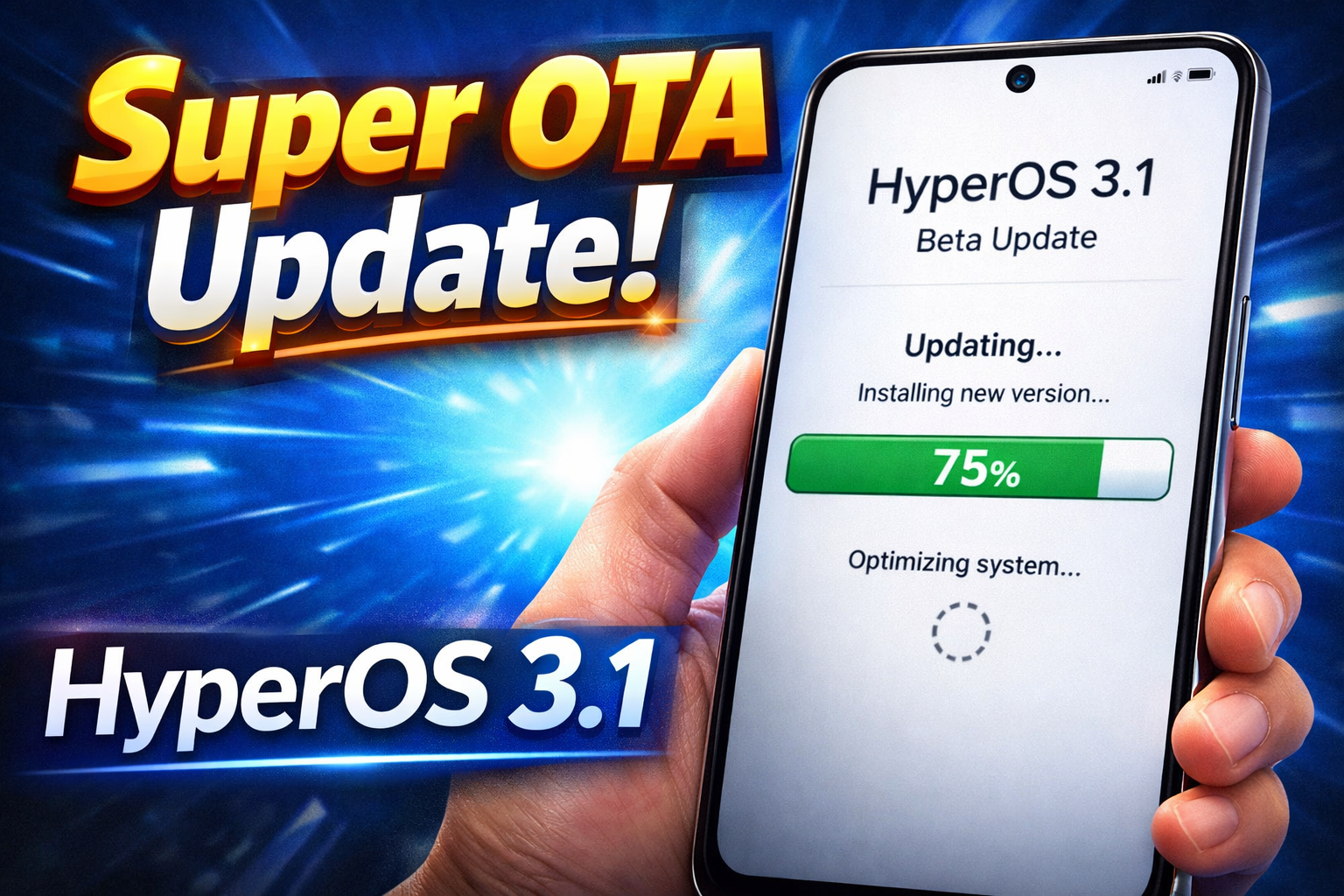
Xiaomi HyperOS 3.1 Introduces Super OTA for Faster Updates
Xiaomi HyperOS 3.1 introduces Super OTA to make software updates faster, smoother, and easier to in…
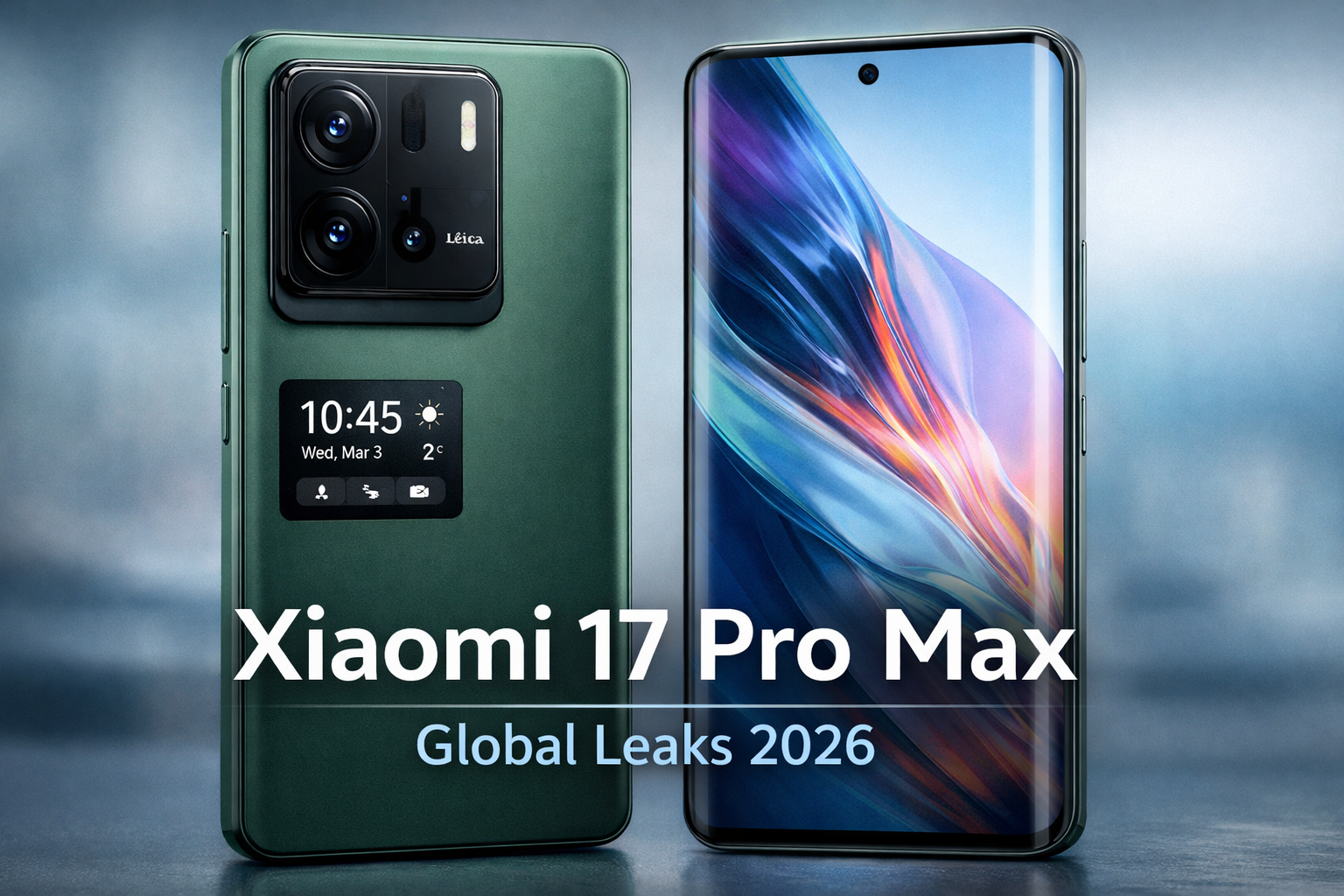
Xiaomi 17 Pro Max Global Variants, Specs & Launch | New Colourway Leaks
Discover the Xiaomi 17 Pro Max global variants with new colour options. Get leaked specifications, …
Xiaomi 17 & 17 Ultra Launch India & Global 2026 | MWC Pre-Launch Updates
Discover the latest Xiaomi 17 and Xiaomi 17 Ultra launch updates for India and global markets ahead…
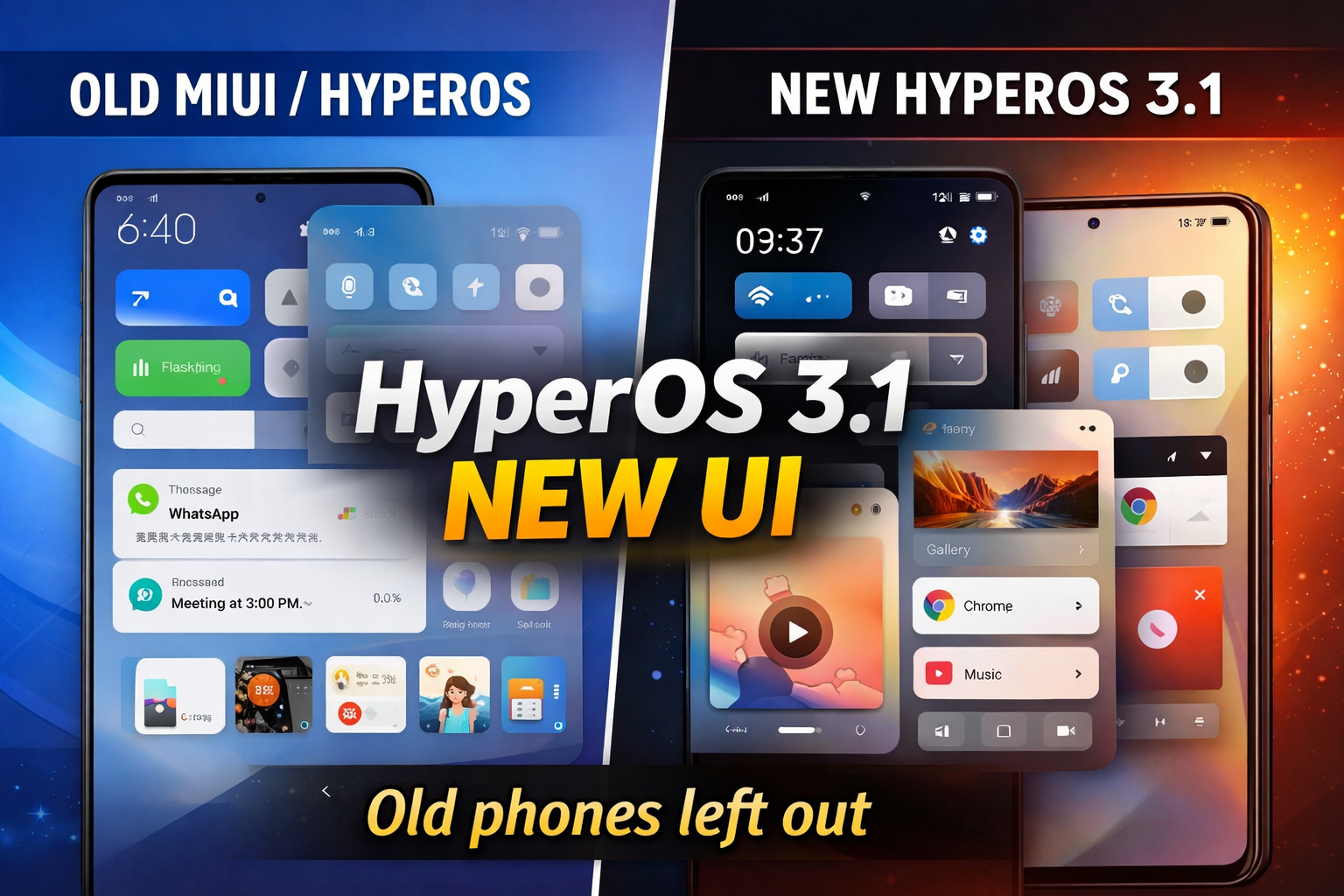
Xiaomi HyperOS 3.1 New Features: UI Upgrades & Support End for Older Phones
Xiaomi HyperOS 3.1 brings major UI upgrades, smoother multitasking, and better performance. But the…
Xiaomi Redmi Note 15 Pro 5G Set for a Powerful Global Debut
Xiaomi Redmi Note 15 Pro 5G is expected to launch globally with a premium design, AMOLED display, s…