Xiaomi HyperOS 3.1 Introduces Super OTA for Faster Updates
bigsansar | Feb. 8, 2026
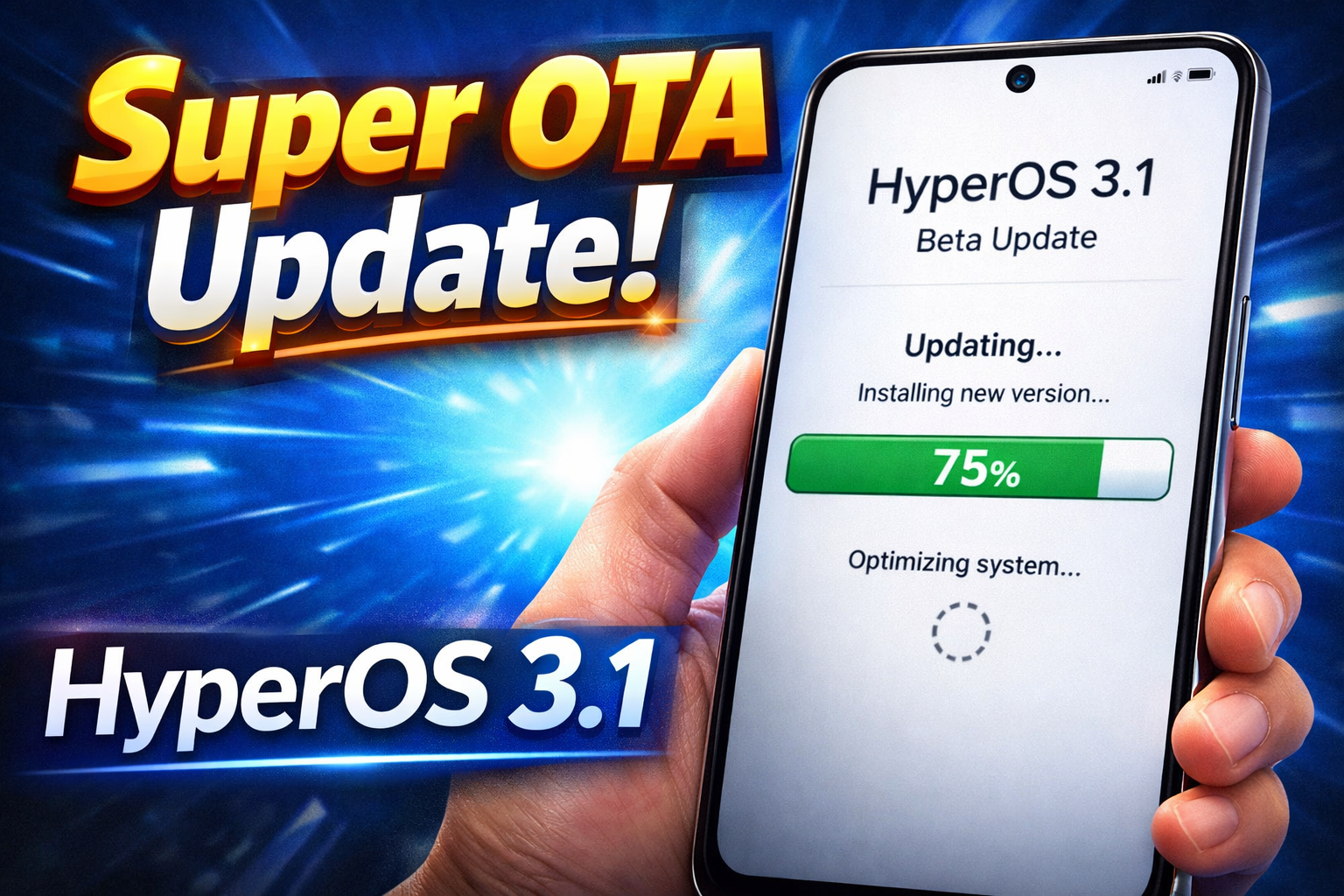
Xiaomi is reportedly preparing a refined update to its operating system with HyperOS 3.1, focusing heavily on one of the most frustrating parts of smartphone ownership: software updates. While most Android users are used to updates that interrupt daily use with long installation times and forced reboots, Xiaomi’s new approach introduces a major improvement called Super OTA (also referred to as SOTA).
This updated architecture is designed to make system updates faster, smoother, and significantly less disruptive. In other words, Xiaomi is attempting to modernize the update process in a way that feels closer to seamless “background updating,” something users often associate with premium software experiences.
The Problem With Traditional OTA Updates
For years, the standard Android OTA (Over-the-Air) update process has followed the same pattern:
- Download the update package
- Restart the phone
- Wait for the system to install the update
- Reboot again and hope nothing breaks
For users, this usually means losing time, pausing work, and sometimes facing update failures due to limited storage or unexpected bugs.
HyperOS 3.1 aims to address this exact pain point.
What is Super OTA in HyperOS 3.1?
Super OTA is Xiaomi’s new update architecture introduced with HyperOS 3.1. Instead of treating every update like a major system rebuild, Super OTA restructures how updates are packaged and applied.
Important improvements expected from Super OTA include:
- A more unified update package system for system components and core apps
- More background-friendly update behavior
- Reduced reboot requirements for smaller updates
- A smoother and less interruptive installation process
Key highlight:
HyperOS 3.1 is expected to reduce the number of forced reboots for minor updates, meaning users can keep using their phone while updates are being prepared in the background.
Why This Matters for Xiaomi HyperOS Users
For Xiaomi users, the update experience has not always been consistent across devices and regions. Some updates arrive late, while others install slowly or require long downtime.
Super OTA directly targets these issues by focusing on:
1. Faster Installation Time
Super OTA is expected to reduce how long the phone stays in “installing update” mode. This means less waiting and faster access to the updated system.
2. Less Disruption During Daily Use
Instead of forcing users to stop what they are doing, Super OTA is designed to make updates less intrusive.
3. Better Stability After Updates
One of the biggest fears among Android users is that an update might introduce new bugs or performance drops. Xiaomi’s Super OTA architecture aims to reduce installation errors and improve post-update stability.
4. Improved Handling of System and App Updates
HyperOS 3.1 is also reported to improve how system modules and core apps are bundled and delivered. This can help Xiaomi deliver fixes more efficiently.
Key highlight:
This is not just a “visual update.” HyperOS 3.1 focuses on the core software foundation, especially the update delivery system.
HyperOS 3.1 Also Brings UI and System Refinements
Beyond Super OTA, HyperOS 3.1 is expected to include additional improvements across the system, including:
- UI refinements and smoother animations
- Updated system apps such as Gallery and Weather
- Better ecosystem-style integration across Xiaomi devices
- Enhanced compatibility with certain third-party devices (including Apple ecosystem accessories, according to reports)
These refinements suggest Xiaomi is continuing to position HyperOS as more than a replacement for MIUI. The company appears to be pushing HyperOS as a long-term software platform across phones, tablets, and smart devices.
HyperOS 3.1 Availability and Supported Devices
Early reports suggest that HyperOS 3.1 may be limited primarily to devices running newer Android builds. Some sources indicate Xiaomi may restrict HyperOS 3.1 eligibility to devices that support newer Android versions, while older builds might not qualify.
This means:
- Flagship devices are expected to receive the update first
- Some mid-range models may receive it later
- Older devices may not be eligible, depending on Android version support
Key highlight:
HyperOS 3.1 is expected to roll out in phases, beginning with beta testing on selected devices before reaching global users.
Conclusion: A More Modern Update Experience for Xiaomi
HyperOS 3.1, powered by Xiaomi’s Super OTA architecture, appears to be one of the most practical improvements Xiaomi has introduced in recent years. Instead of focusing only on cosmetic changes, Xiaomi is improving the update process itself—making it faster, easier, and less disruptive.
If Super OTA works as intended, Xiaomi users may experience:
- Fewer forced reboots for minor updates
- Faster update installation
- Improved stability after updates
- A smoother, more modern software update system
In short, HyperOS 3.1 is shaping up to be a meaningful upgrade, especially for users who want reliable software updates without interruption.
0 COMMENTS:

Xiaomi Redmi Note 17 Pro: 7-inch OLED, 8,000mAh Battery
Xiaomi has confirmed the Redmi Note 17 with a 7-inch OLED display, 8,000mAh battery, 120Hz refresh …

POCO X8 Pro Max: Huge Battery, Powerful Performance & Full Rumors Explained (2026)
Discover everything about POCO X8 Pro Max, including rumored 7000mAh battery, powerful performance,…

Xiaomi 17 Ultra Camera Review: LOFIC Sensor & Mechanical Zoom
Explore the Xiaomi 17 Ultra’s camera with LOFIC HDR sensor, mechanical zoom, ultra-wide and front c…
Xiaomi 17 Ultra & Xiaomi 17 Launched with Snapdragon 8 Gen 5 and Leica Cameras
Xiaomi has launched the Xiaomi 17 and Xiaomi 17 Ultra featuring Snapdragon 8 Gen 5, Leica-tuned cam…
Xiaomi HyperOS 4.0 (Android 17) – Eligible Devices List
Discover the full list of Xiaomi, Redmi, and POCO devices eligible for HyperOS 4.0 (Android 17). Ch…
Xiaomi HyperOS 3.1 Introduces Super OTA for Faster Updates
Xiaomi HyperOS 3.1 introduces Super OTA to make software updates faster, smoother, and easier to in…
Xiaomi 17 Pro Max Global Variants, Specs & Launch | New Colourway Leaks
Discover the Xiaomi 17 Pro Max global variants with new colour options. Get leaked specifications, …
Xiaomi 17 & 17 Ultra Launch India & Global 2026 | MWC Pre-Launch Updates
Discover the latest Xiaomi 17 and Xiaomi 17 Ultra launch updates for India and global markets ahead…
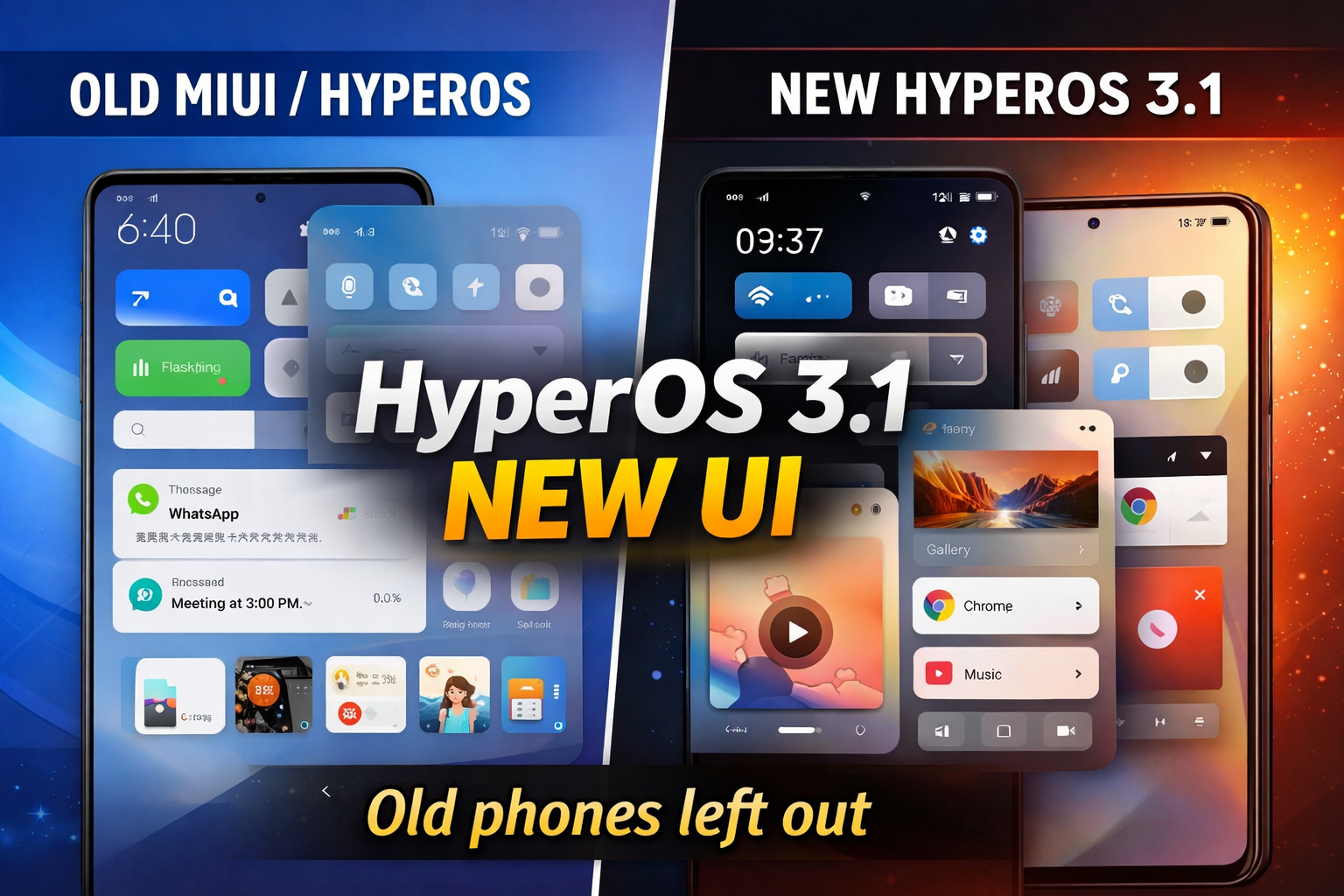
Xiaomi HyperOS 3.1 New Features: UI Upgrades & Support End for Older Phones
Xiaomi HyperOS 3.1 brings major UI upgrades, smoother multitasking, and better performance. But the…
Xiaomi Redmi Note 15 Pro 5G Set for a Powerful Global Debut
Xiaomi Redmi Note 15 Pro 5G is expected to launch globally with a premium design, AMOLED display, s…